

A cult adventure documentary, Asiemut follows the 8,000‑km cycling expedition of Olivier Higgins and Mélanie Carrier, from Mongolia to India, crossing Xinjiang, the Taklamakan Desert, Tibet, and Nepal. Filmed in 2005 with a simple and intuitive approach—before the era of HD cameras and GoPros—the documentary captures a journey where every encounter, every obstacle, and every landscape becomes a reflection on movement, commitment, and openness to others.
Awarded in more than 35 international film festivals — including the Banff Mountain Film Festival, Cervino CineMountain, and the Graz Mountain Film Festival — Asiemut has been distributed in over forty countries and broadcast on ARTE, RTBF, TSR, RAI, and Al Jazeera. Through this crossing of Asia, the film questions our relationship to the world and marks, through its human and cinematic depth, the beginning of the MÖ FILMS adventure.
Written, directed and produced by: Olivier Higgins et Mélanie Carrier
Cinematography: Olivier Higgins
Editing: Olivier Higgins et Éric Denis
Image post‑production: Studio Élément
Color grading: Éric Denis
Animation & VFX: Jean-François Dugal
Graphic design: Jean-François Dugal
Sound post‑production: Studio Expression
Sound design: Olivier Auriol
Sound mix: Olivier Auriol


Azimut — in French as in English (azimuth) — refers to a compass bearing, a direction that guides a journey. Every day, each of us makes choices that give meaning and orientation to our lives, our own azimuth. Our choice was to set off on bicycles, with a simple video camera, to meet the people of Asia — Asie in French. From this came the word Asiemut, spelled A‑S‑I‑E‑M‑U‑T, blending “Asia” and “azimuth.”This journey became our personal azimuth: travelling on two wheels and filming our very first documentary.
Between 2007 and 2010, filmmakers Mélanie Carrier and Olivier Higgins presented Asiemut in numerous film‑conference tours, including major circuits in Québec with Les Grands Explorateurs, as well as in Switzerland and Belgium with Exploration du Monde. Asiemut was also screened in many schools and cultural events around the world — from Anchorage, Alaska to Las Vegas, Nevada, through Poland and France. The film was even shown in Antarctica as part of the Banff Mountain Film Festival World Tour, reinforcing its status as a landmark adventure documentary.
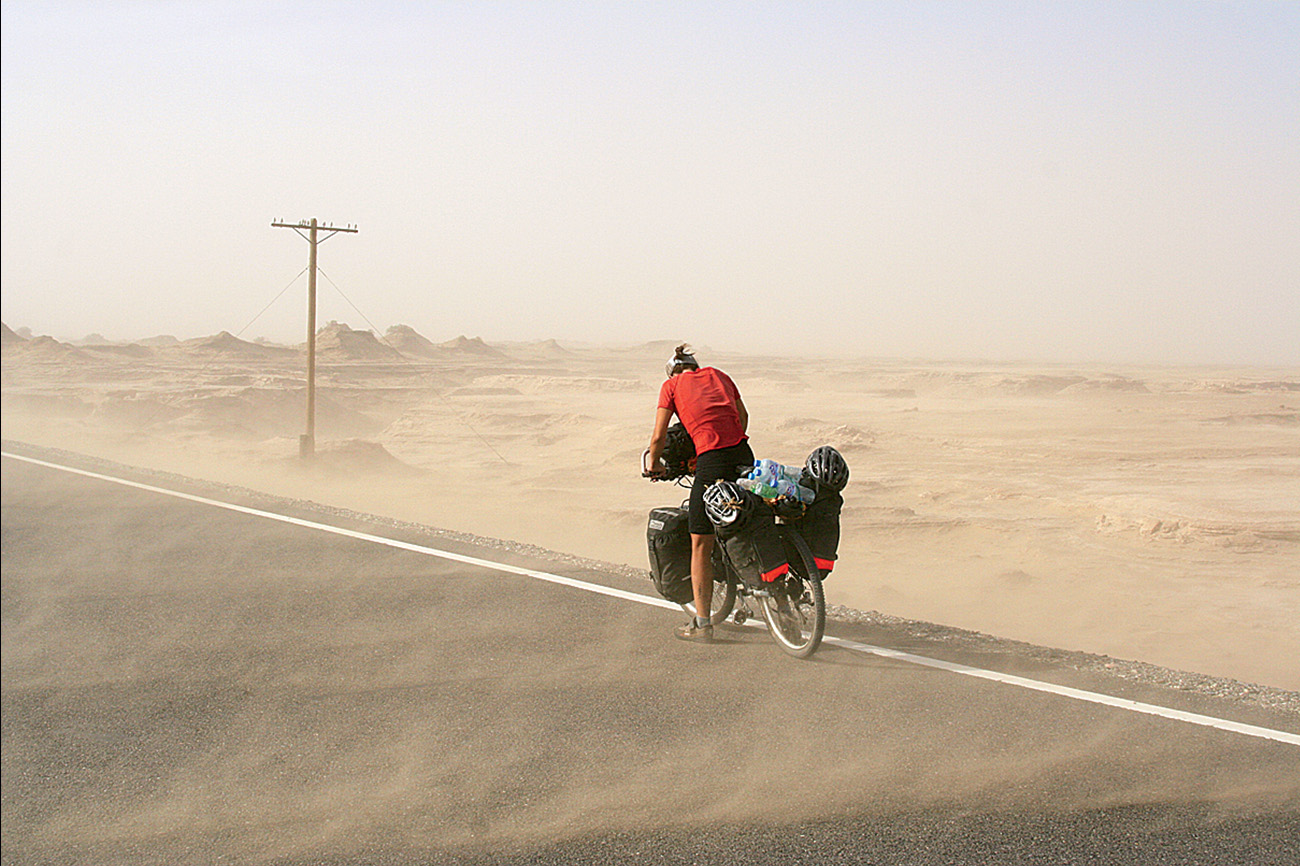
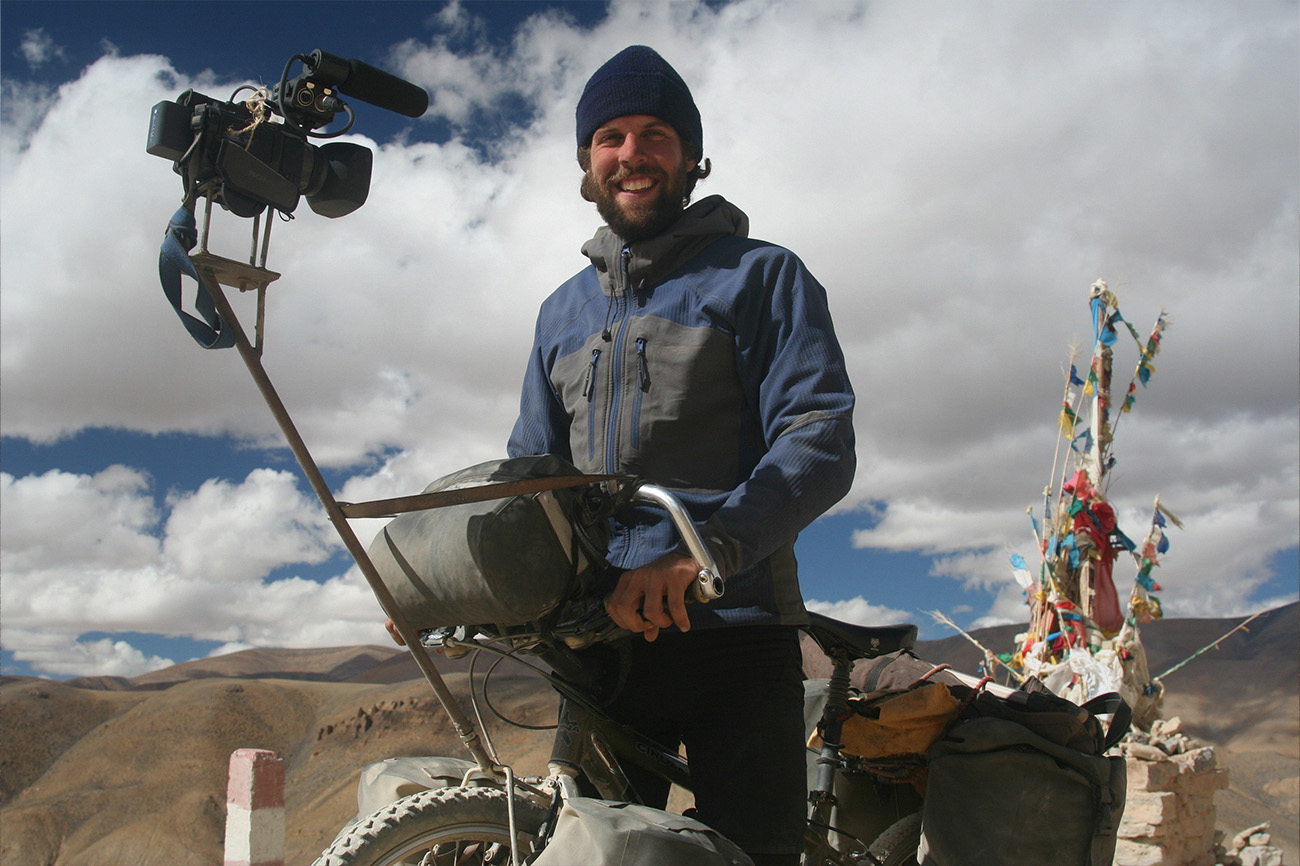
The gallery below brings together a selection of images captured over the 8,000‑km cycling journey across Asia — from Mongolia and Xinjiang to the Taklamakan Desert, Tibet, and Nepal. These fragments of the road reveal the scale, landscapes, and human depth of this remarkable adventure.





Through an intimate documentary process spanning four years, this film observes childhood at eye level, within a family of filmmakers. Winner of the Jean-Marc-Vallée Award, it offers a thoughtful reflection on transmission, parenthood, and how we pass on our ways of seeing and telling the world to future generations.

Both poetic and immersive, this documentary takes viewers into the heart of the Kutupalong refugee camp in Bangladesh—the largest in the world—home to nearly one million Rohingya who fled genocide in Myanmar. Recognized by international critics, winner of the Canadian Screen Award for Best Feature Documentary and shortlisted to represent Canada at the Oscars, the film offers a human perspective on exile and dignity.

Now considered a landmark documentary in Quebec, this road movie takes viewers along the Côte-Nord, where encounters and dialogue offer an in-depth look at relationships between Indigenous and non-Indigenous peoples. Through its human and social perspective, Quebekoisie has helped reshape how identity and living together are understood in Quebec.

Encounters immerses us in a powerful journey where young Innu, Huron‑Wendat, and non‑Indigenous Quebecers travel 310 km along the ancestral Jesuit Trail. The documentary explores the deep symbolism of the land, questions of identity, and the evolving relationships between Indigenous and non‑Indigenous peoples in Quebec.